Computer Science
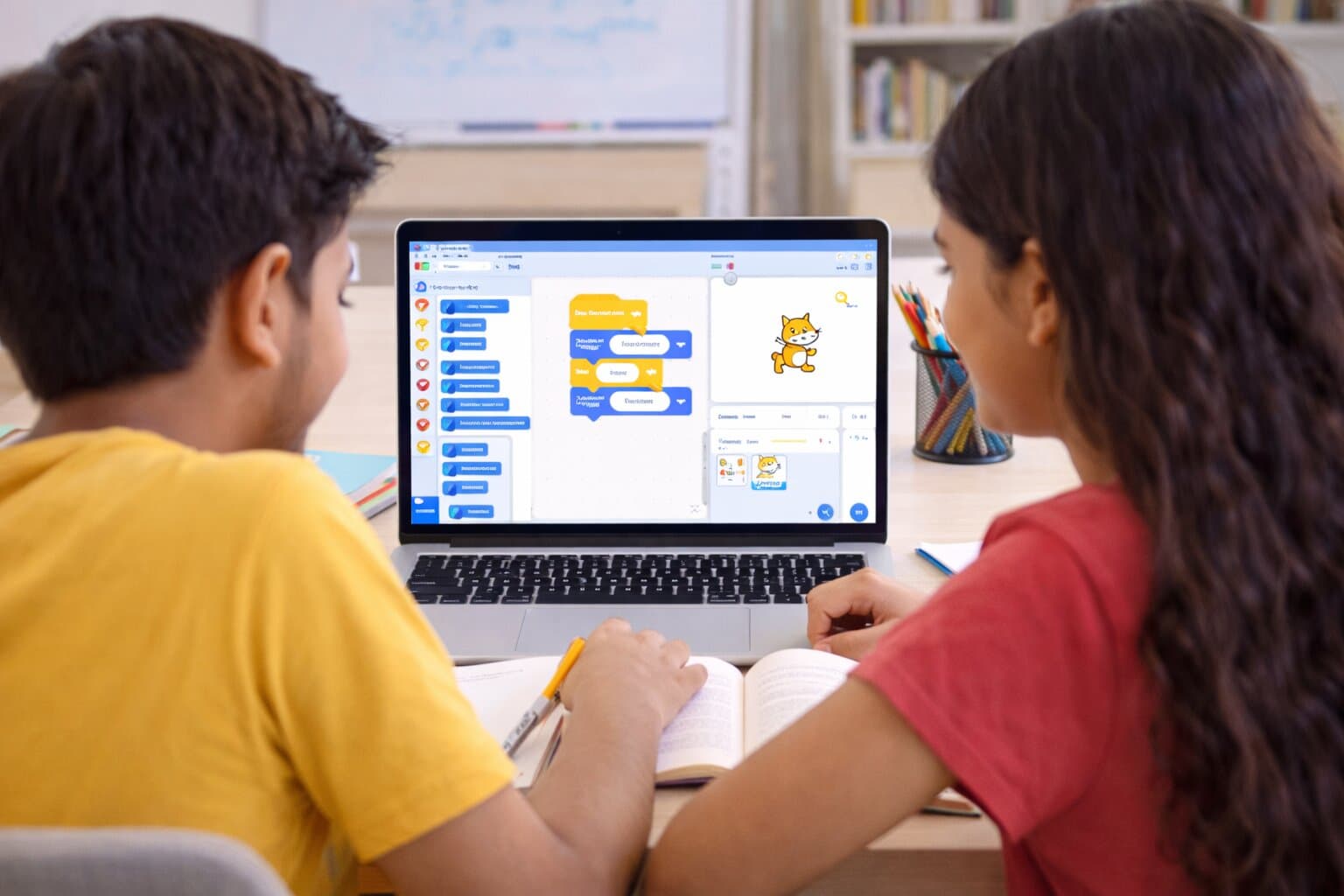
Scratch and Block Coding: A Gentle Start to Programming
Block-based coding removes syntax errors and lets kids focus on logic. Scratch is free, widely used, and a natural stepping stone to text-based languages.
→
5 articles in this category covering educational topics and learning strategies
Articles in this category offer practical advice and insights for parents and students. Read on for expert tips, curriculum guides, and strategies to support your child's learning.
Block-based coding removes syntax errors and lets kids focus on logic. Scratch is free, widely used, and a natural stepping stone to text-based languages.

Before writing code, kids need to think in steps: break problems down, spot patterns, and plan sequences. That's algorithmic thinking—and it applies far beyond programming.
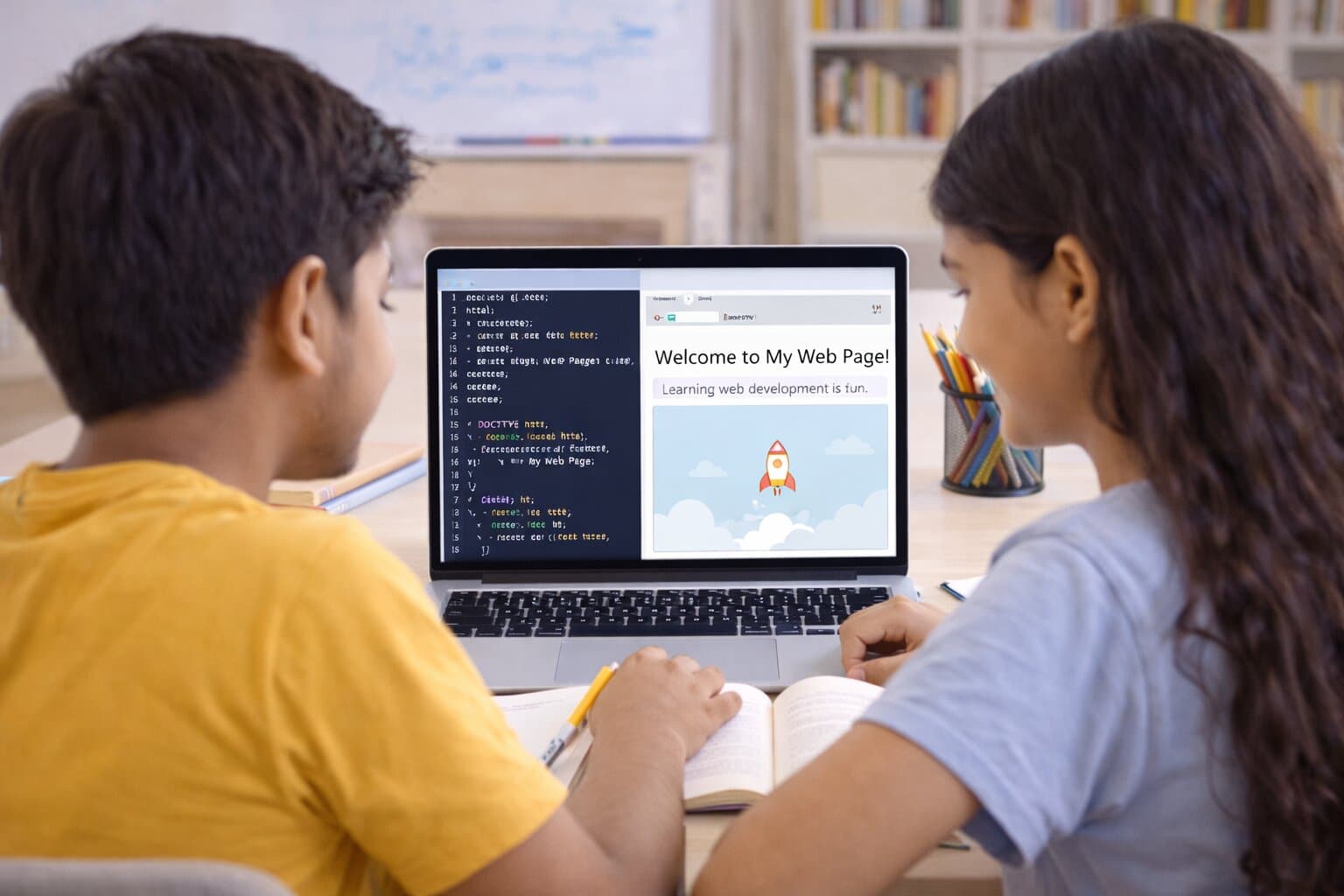
Building a simple webpage is satisfying. HTML structures content, CSS makes it look good. Students can see results quickly, which makes it a great entry point.

Python is readable, widely used, and forgiving. That makes it a strong first language for students who want to learn to code.

Teaching Computer Science effectively means combining theory with practice. Node.js and AWS hands-on labs give students real-world skills: server-side JavaScript, cloud deployment, and modern DevOps workflows. This guide covers how to teach both.