Study strategies
Proven techniques for homework, exams, and building lasting study habits at home.
Expert insights on child education, learning strategies, and AI-powered personalized learning — practical articles for parents and students.
Actionable guides written for parents and K-12 students — not generic blog filler.
Proven techniques for homework, exams, and building lasting study habits at home.
Subject-specific guides to help students grasp concepts and parents support learning.
Practical advice on tutoring choices, progress tracking, and online learning.
Browse practical guides by subject — for parents and students.
New guides on tutoring, study skills, and helping your child succeed online.

One of the root causes of stagnant or slipping grades is not laziness—it is an improper plan. A strong study plan is essential for academic success, and it works at three levels: your day, your week, and your month. Cramming the night before might get you through a test, but conceptual understanding is never an overnight thing.

Tests like the SAT, ACT, AP exams, MCAT, and many others can take a huge toll on a student's mental and physical health. The pressure is real—but with the right guidance, planning, and support, preparation does not have to mean stress, sleepless nights, and endless practice tests you carry like baggage.

The rise of Artificial Intelligence has sparked debates about whether machines could one day replace human teachers. The truth is clear: AI will not replace teachers. Physical and online teaching remain irreplaceable because education is not just about transferring knowledge—it's about mentorship, empathy, and human connection. Teachers inspire, guide, and nurture students in ways that no algorithm can replicate.
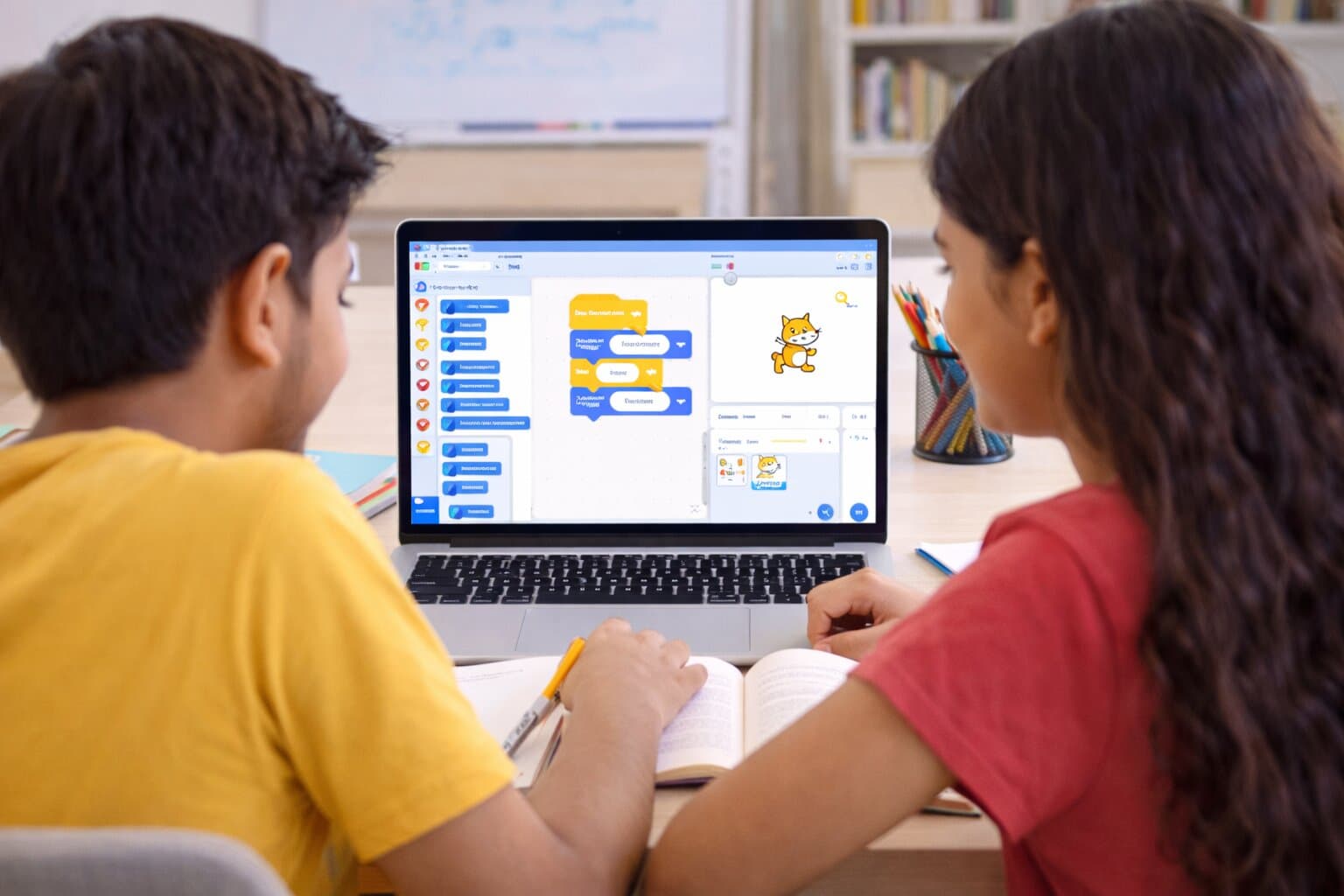
Block-based coding removes syntax errors and lets kids focus on logic. Scratch is free, widely used, and a natural stepping stone to text-based languages.

Before writing code, kids need to think in steps: break problems down, spot patterns, and plan sequences. That's algorithmic thinking—and it applies far beyond programming.
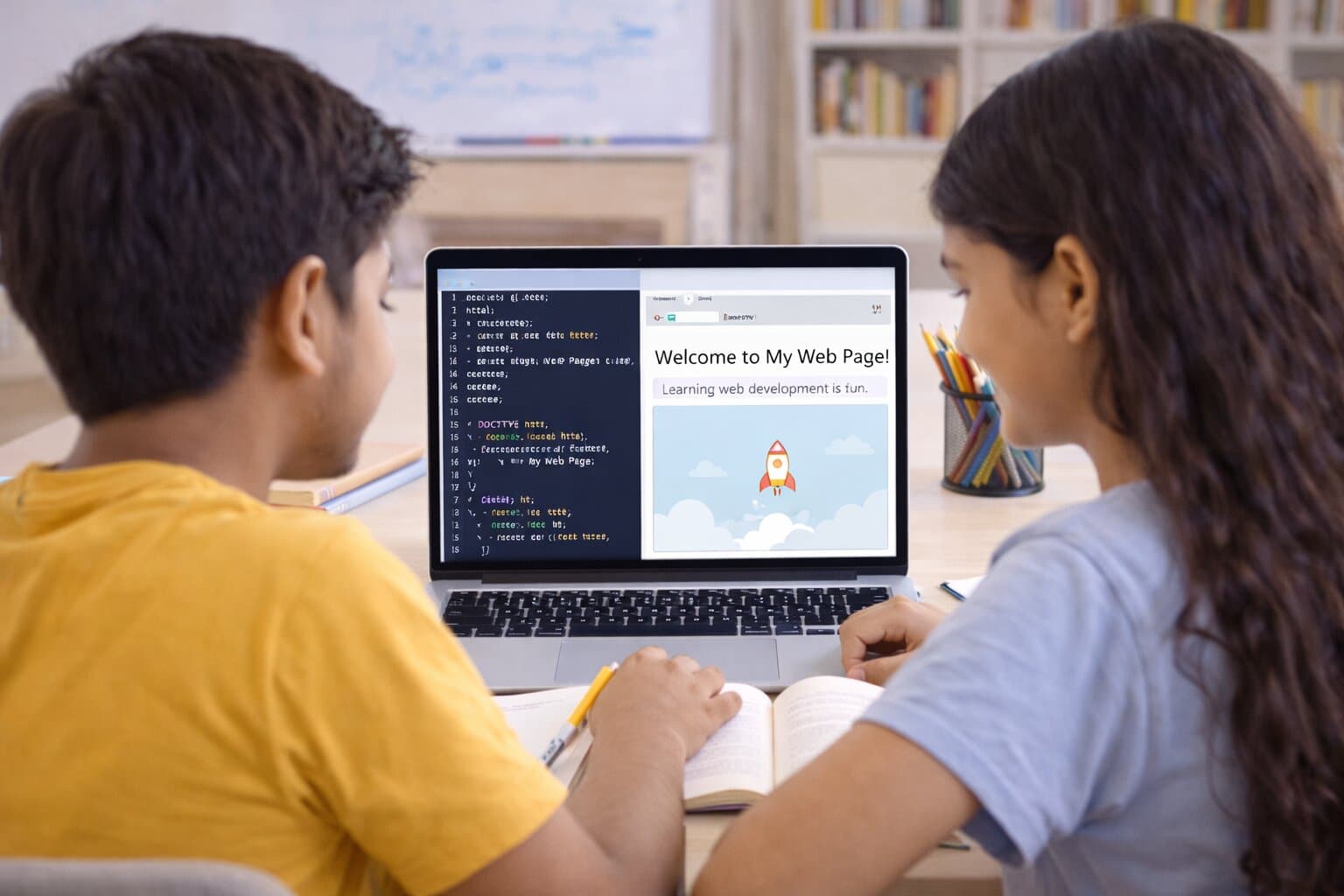
Building a simple webpage is satisfying. HTML structures content, CSS makes it look good. Students can see results quickly, which makes it a great entry point.

Python is readable, widely used, and forgiving. That makes it a strong first language for students who want to learn to code.

Online tutoring adds screen time. The question isn't whether screens are good or bad—it's how to use them for learning without burning out.

Class 10 Maths board exams (CBSE, ICSE, state boards) decide stream selection and future options. This guide helps Indian parents understand the syllabus, support preparation, and reduce exam stress for their 10th standard child.

There's no shortage of educational apps. The ones that work usually do one thing well—flashcards, practice problems, or explanations—rather than trying to do everything.

Indian-origin parents in USA, UK, Australia, Dubai, and New Zealand face a unique challenge: your child studies Common Core, GCSE, NAPLAN, or IB—but you value the strong math and science foundations India taught you. This guide helps you navigate both worlds.

NRI parents in USA, UK, Australia, Dubai, and New Zealand often ask: How do I give my child strong Indian-style foundations while they study Common Core, GCSE, or IB? This guide shows how to bridge both worlds—without overwhelming your child.

Indian parents face unique math challenges: JEE pressure, CBSE/ICSE boards, coaching culture, and their own math anxiety. This guide explains these challenges and offers practical solutions to support your child's math learning.
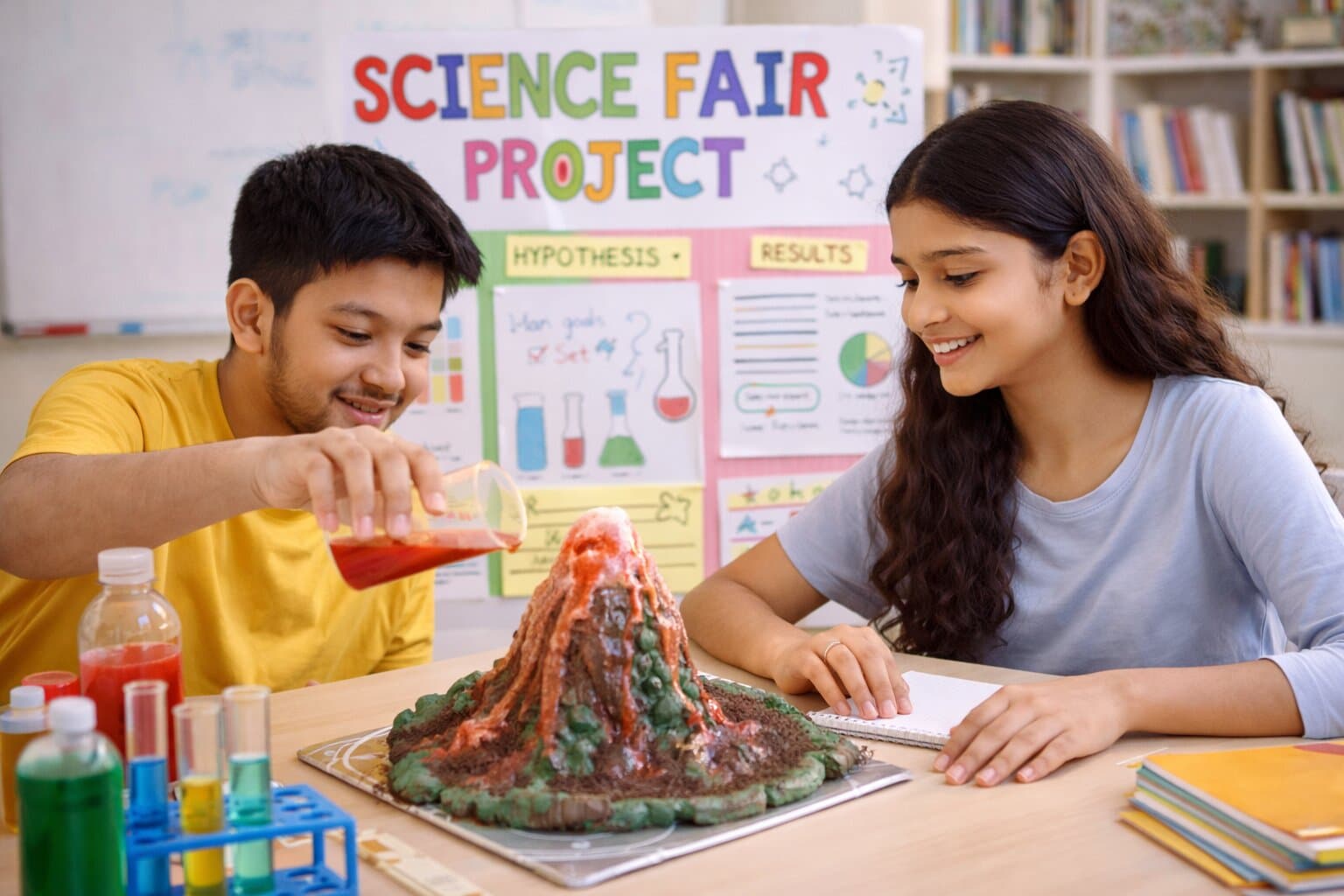
A strong science fair project has a clear question, controlled variables, and measurable results. Here's how to choose and structure one.

Teaching Computer Science effectively means combining theory with practice. Node.js and AWS hands-on labs give students real-world skills: server-side JavaScript, cloud deployment, and modern DevOps workflows. This guide covers how to teach both.

US parents face distinct math and science challenges: Common Core, NGSS, achievement gaps, and pandemic learning loss. Learn what struggles American families face and how to support your child effectively.

Earth science blends geology, weather, climate, and ecology. The content is broad, but a few themes tie it together.

Physics problems can look overwhelming. A clear process—identify what you know, what you need, and which equation connects them—makes them manageable.

Balancing equations and stoichiometry are where many chemistry students get stuck. The logic is consistent—once you see the pattern, it clicks.

Biology has a lot of terms and processes. Success comes from memorizing key facts and understanding how they connect. Here's how to approach it.

Algebra 1 is a turning point. The shift from arithmetic to variables can trip students up. Here's how to set a solid foundation.

You don't need a dedicated room. A consistent, distraction-free corner can make a real difference in focus and productivity.

SQL (Structured Query Language) is one of the most useful skills you can learn—whether you're into data, apps, or just want to understand how information is stored and retrieved. If you're a student aspiring to learn SQL basics online, the good news is that with the right guidance, it's easier than it looks. Our experts teach SQL from kids to professionals. This guide explains what SQL is, why it's worth learning, how to learn SQL step by step, and how GuruForU's online SQL tutoring makes the basics straightforward so you can build a strong foundation for database programming and data analytics.

Rereading feels productive, but trying to remember—and getting it wrong—actually strengthens learning more. Here's how to use active recall effectively.

Math anxiety affects many students and can hold them back from reaching their potential—even when they have strong reasoning skills. The good news is that math confidence can be built at any age. This guide covers what causes math anxiety, evidence-based strategies to overcome it, and practical tips for parents and students to develop a positive mindset and lasting success in mathematics from elementary through high school.

Homework meltdowns don't have to be part of the routine. Small changes to when, where, and how homework happens can make a big difference.

Cramming might get you through the test, but the material won't stick. Here's how to prepare in a way that builds real understanding.

Is your child ready for online tutoring? The answer depends less on age and more on a few practical signs. Here's how to decide.

Good notes aren't about writing everything down. They're about capturing what matters in a way you'll actually use later. Here are methods that work for school.
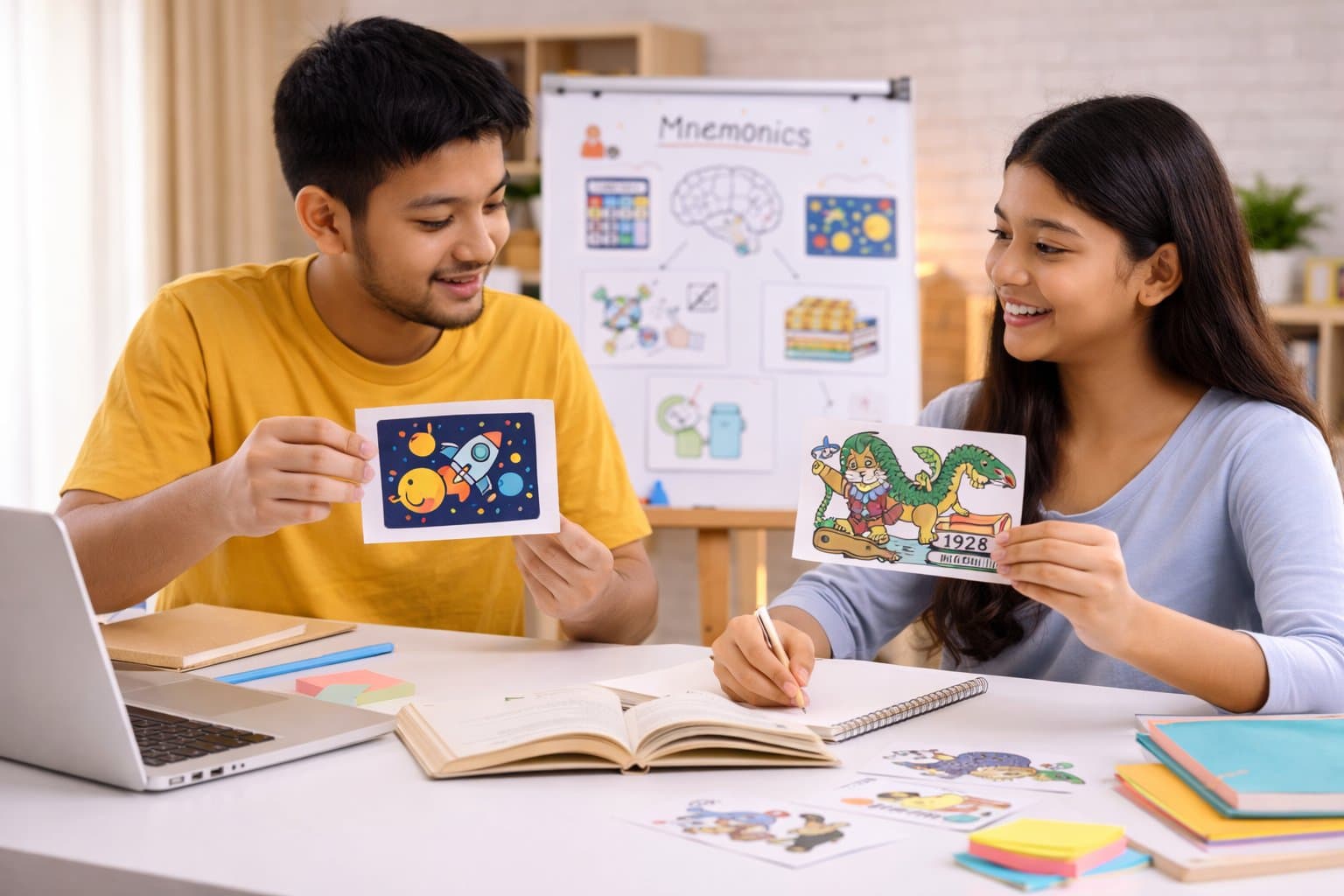
Rereading notes and highlighting rarely sticks. But a few simple techniques—mnemonics, chunking, and retrieval practice—can make a real difference. Here are ones that actually work for school subjects.

Parents often ask: is online tutoring as good as having someone in the room? The honest answer is it depends—on the child, the subject, and what you need. Here's a practical comparison to help you decide.

Building a study habit isn't about willpower—it's about making it automatic. Same time, same place, same sequence. Here's how to get there without turning it into a daily battle.

One unexpected benefit of online tutoring: kids often develop stronger study habits. When they're not sitting across from a parent or in a crowded classroom, they learn to own their learning. Here's what we've seen.

Science education varies significantly across different countries, with each nation following its own curriculum standards, teaching methodologies, and assessment approaches. From hands-on experiments in the United States to the structured National Curriculum in the United Kingdom, understanding these differences helps parents support their children's scientific learning. This comprehensive guide explores how Science is taught from Grade 1 to Grade 10 across seven major educational systems and explains how GuruForU's AI-powered platform can help your child excel in science regardless of their location or curriculum.

Mathematics education varies significantly across different countries, with each nation following its own curriculum standards, terminology, and teaching approaches. Whether your child is learning Math in the United States, Maths in the United Kingdom, or following curricula in Canada, Australia, New Zealand, Qatar, or the UAE, understanding these differences is crucial for academic success. This comprehensive guide explores how Math/Maths is taught from Grade 1 to Grade 10 (or equivalent) across seven major educational systems and explains how GuruForU's AI-powered platform can help your child master mathematics regardless of their location or curriculum.

The Pomodoro Technique—25 minutes of focus, then a short break—was built for adults. But it works surprisingly well for kids too. Here's how to adapt it so it actually sticks.

Between soccer practice, piano lessons, and dinner prep, finding time for tutoring used to mean another car ride. Online tutoring changes that. Here's how families with packed schedules are making it work.

Grade 5 is a critical year for mathematics, where students build upon foundational skills and dive deeper into more complex concepts like fractions, decimals, and geometric reasoning. This comprehensive guide covers the essential Grade 5 math topics your child needs to master, along with proven strategies to help them succeed and build confidence in mathematics.

Artificial Intelligence is revolutionizing education, offering personalized learning experiences that adapt to each child's unique needs in real-time. At GuruForU, we've harnessed the power of AI to create an educational platform that doesn't just teach—it learns how your child learns, creating a truly personalized path to academic success.

Online learning has revolutionized education, offering unprecedented flexibility and personalized learning experiences. As parents navigate the educational landscape, understanding the comprehensive benefits of online learning can help you make informed decisions about your child's academic journey.

In today's fast-paced digital world, maintaining a child's focus while ensuring they learn through scientifically-proven methods has become one of the greatest challenges for parents and educators. At GuruForU, we believe that combining child-centered focus strategies with evidence-based learning approaches creates the optimal environment for academic excellence.

Selecting the right online tutor is one of the most important decisions you'll make for your child's education. The perfect tutor can inspire a love of learning, boost confidence, and significantly improve academic performance. This comprehensive guide will help you navigate the selection process with confidence.

As online education becomes increasingly prevalent, parents face important decisions about their children's learning. Whether you're considering online tutoring, fully online programs, or hybrid approaches, this comprehensive guide will help you navigate the options, understand what to look for, and make informed choices that support your child's academic success.

Effective studying isn't about spending more time—it's about using proven techniques that help your brain retain information. Research from cognitive science and educational psychology has identified specific study strategies that significantly improve learning outcomes. Here are 10 evidence-based tips that can transform how your child studies.
Book a free tutoring session and see how live 1-on-1 classes plus AI reports work for your child.