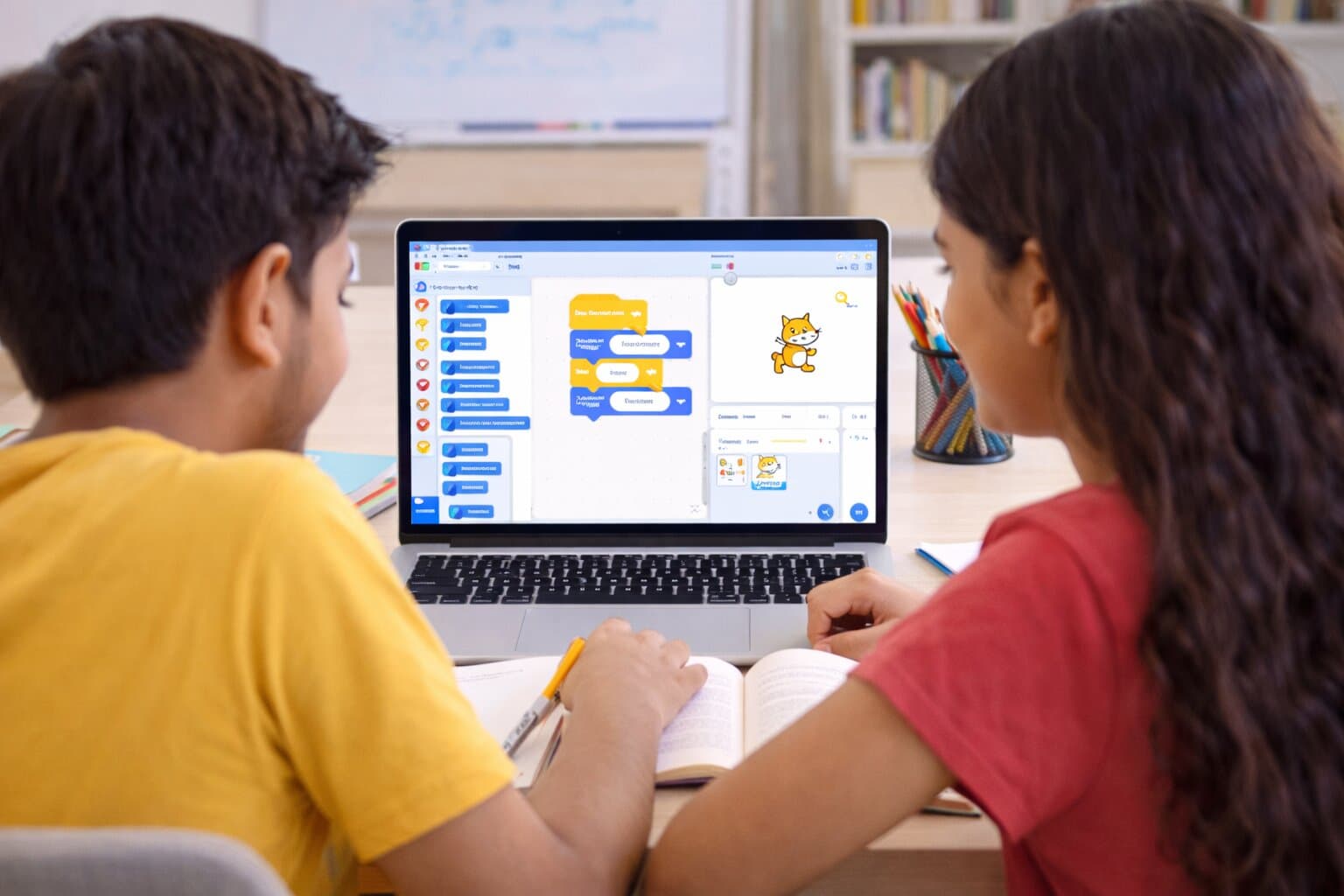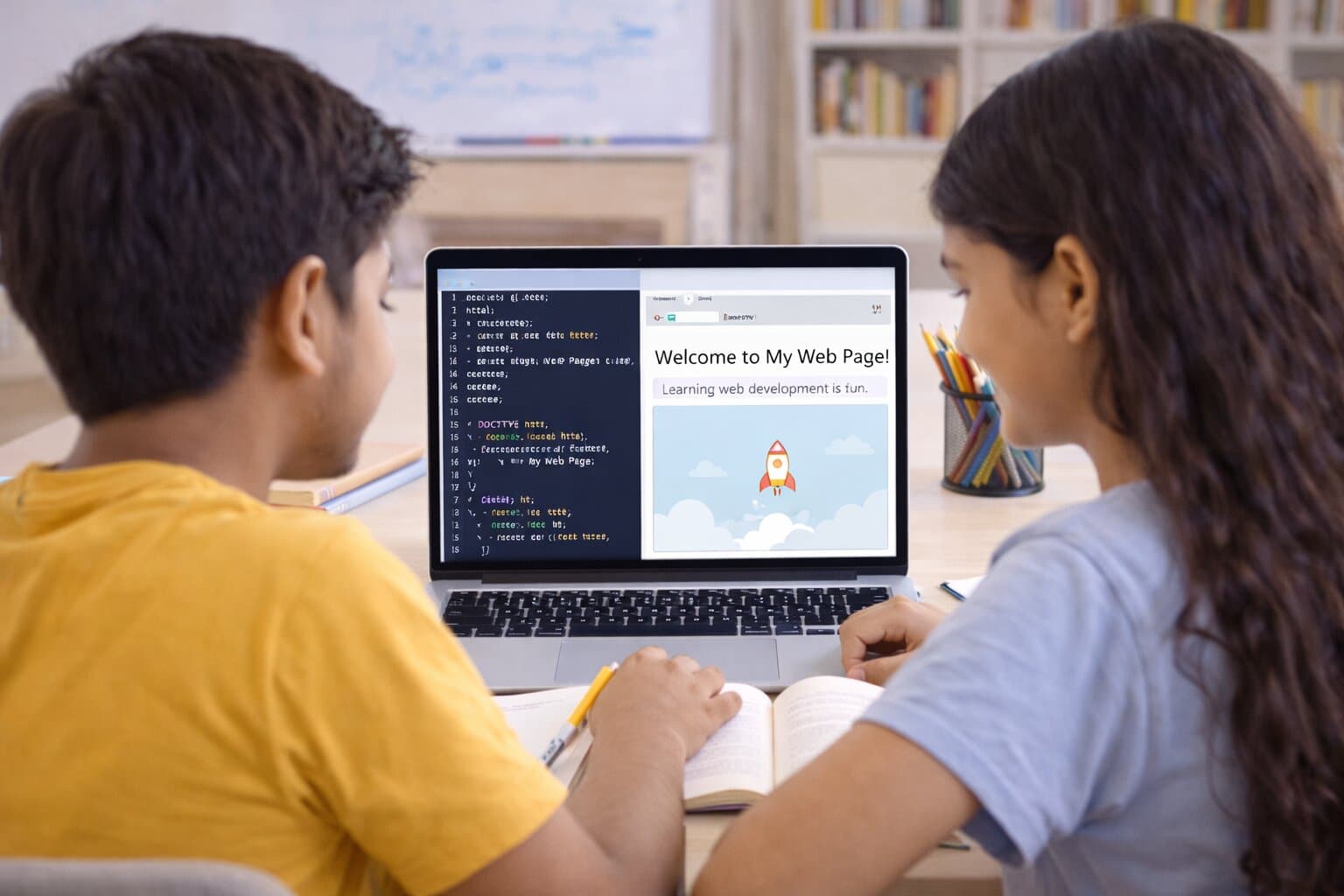
Before writing code, kids need to think in steps: break problems down, spot patterns, and plan sequences. That's algorithmic thinking—and it applies far beyond programming.
Step-by-Step Instructions
"Make a sandwich" sounds simple until you list every step. Getting a child to write instructions for a task—and then having someone else follow them literally—reveals gaps in logic. Great exercise before any coding.
Patterns and Repetition
Loops are just 'do this again.' Finding patterns in everyday tasks—setting the table, packing a lunch—builds the intuition for when to use loops in code.
Conditions: If This, Then That
If it's raining, bring an umbrella. If the answer is wrong, try again. Conditionals are everywhere. Practice with real-life scenarios before translating to code.
Debugging Mindset
When something doesn't work, what went wrong? Systematically testing each step—what did we expect? what actually happened?—is a skill that transfers to any problem.
Frequently Asked Questions
What is algorithmic thinking?
Breaking problems into steps, spotting patterns, and planning sequences. It's logic before code—and it applies far beyond programming.
How can kids practice step-by-step thinking without coding?
Have them write instructions for a task like "make a sandwich" and have someone follow them literally. Gaps in logic become obvious—and it's a great exercise before any coding.
What are conditionals and how do kids learn them?
Conditionals are "if this, then that." Practice with real-life scenarios: if it's raining, bring an umbrella. If the answer is wrong, try again.
Why is a debugging mindset valuable?
When something doesn't work, systematically asking "what did we expect? what actually happened?" is a skill that transfers to any problem—not just programming.
Develop Computational Thinking
GuruForU's computer science tutors help build logic and problem-solving skills.
Book a Free Session