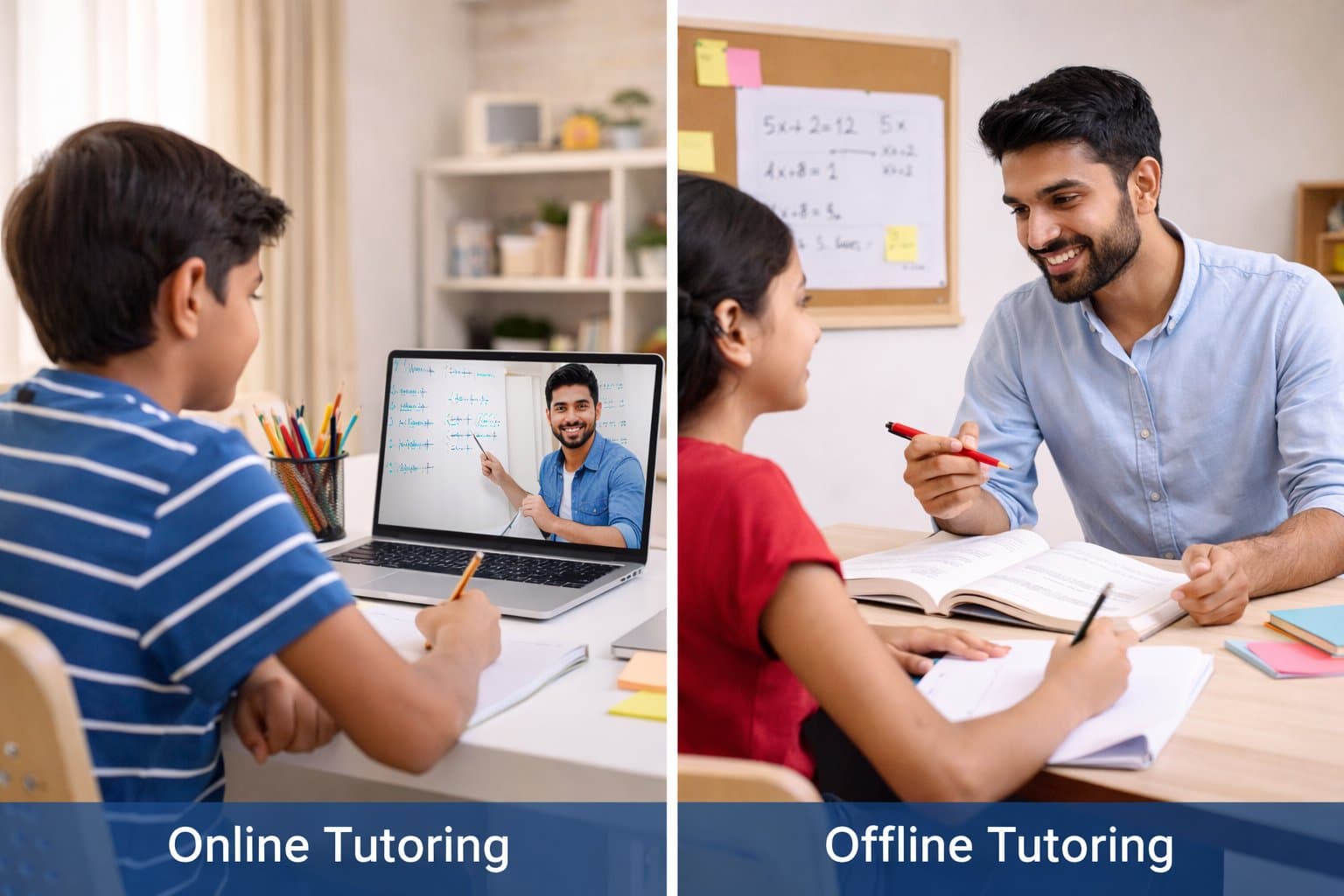
Parents often ask: is online tutoring as good as having someone in the room? The honest answer is it depends—on the child, the subject, and what you need. Here's a practical comparison to help you decide.
When Online Tutoring Works Well
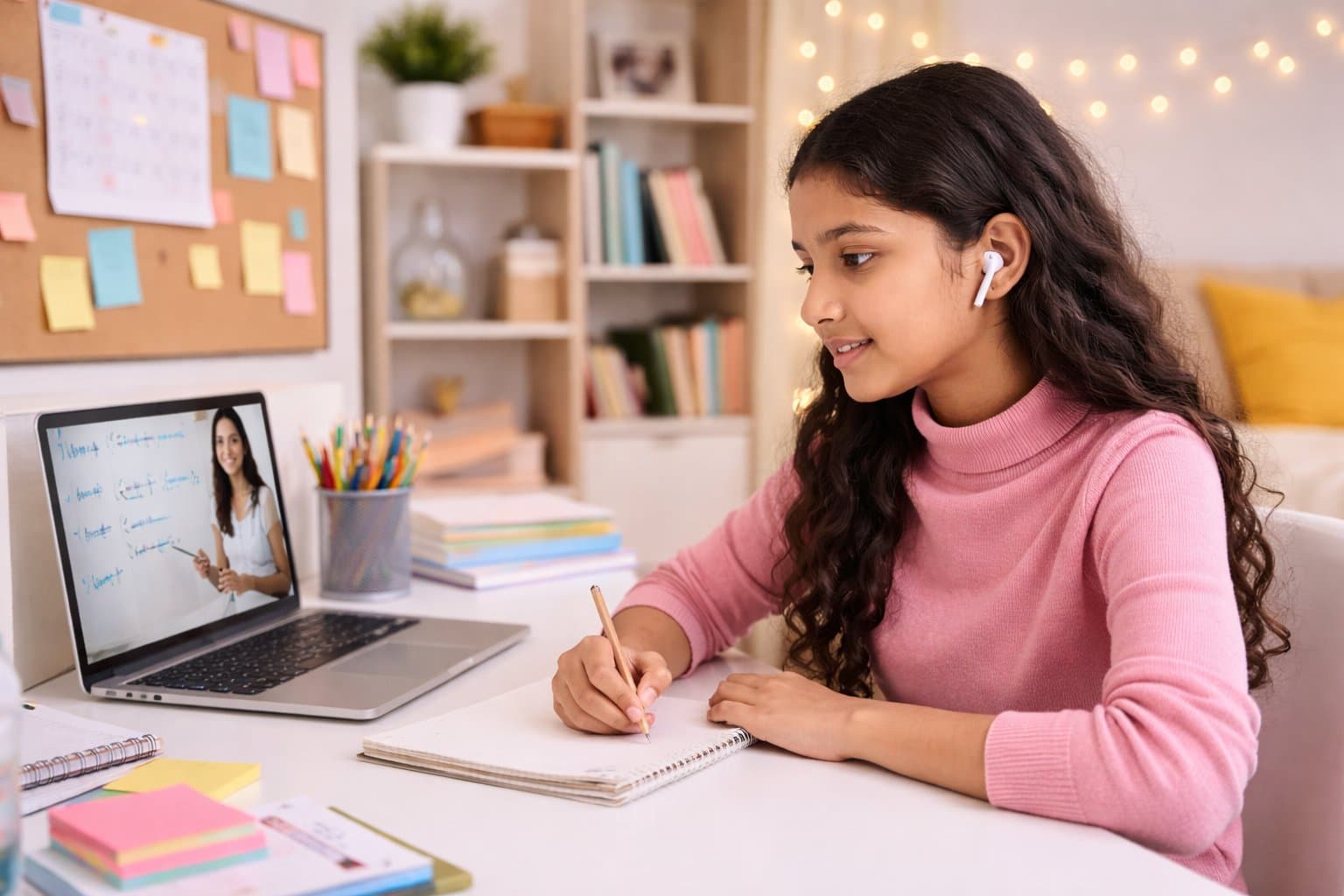
Math, science, and languages tend to translate well to online. The tutor can share a whiteboard, work through problems step-by-step, and your child can ask questions in real time. For structured subjects where the work is on paper or screen anyway, being in the same room isn't always necessary.
- Comfort at home: Some kids focus better without the pressure of a new environment
- Access to specialists: Need an AP Physics tutor? They might be three states away—online makes that possible
- Recordings and replays: Missed something? You can often review the session
- Scheduling: Easier to find evening or weekend slots without driving
When In-Person Might Be Better
Younger kids (K-2) who need hands-on manipulatives or lots of physical cues sometimes do better in person. So do students who are easily distracted by screens or who need the structure of "going to" a tutoring center. And if your child thrives on face-to-face connection and finds video calls draining, in-person could be a better fit.
Hands-On Subjects
Early reading with letter tiles, or science experiments with real materials—some of this is harder to replicate online. That said, many online tutors ship kits or use household items.
Building Rapport
A great in-person tutor can read body language and adjust quickly. Good online tutors learn to do this too—through tone, pacing, and checking in—but it can take a session or two to click.
What Research Suggests
Studies on K-12 tutoring generally find that format matters less than consistency and quality. A student who meets regularly with a skilled tutor—online or in-person—tends to improve. The key is finding someone your child connects with and sticking with it.
Hybrid Approaches
Some families do both: in-person for a subject that needs hands-on work, online for math or test prep. Others start online to try a few tutors with minimal commitment, then switch to in-person if they find the perfect match locally. There's no rule that you have to choose one forever.
The Bottom Line
For most school subjects and most ages, online tutoring works well when the tutor is qualified and the platform supports real-time interaction. The convenience often outweighs the downsides. But if your child has struggled with screen-based learning or you've tried online and it didn't click, in-person is still a solid option. The best choice is the one your child will actually show up for.
Frequently Asked Questions
When does online tutoring work well?
Math, science, and languages translate well online. Whiteboards, step-by-step work, and real-time questions work in both formats. Access to specialists, recordings, and flexible scheduling are big pluses.
When might in-person tutoring be better?
Younger kids (K-2) needing hands-on manipulatives, students easily distracted by screens, or those who thrive on face-to-face connection. Early reading with letter tiles or experiments can be harder online.
What does research say about online vs in-person tutoring?
Format matters less than consistency and quality. A student who meets regularly with a skilled tutor—online or in-person—tends to improve. Finding someone your child connects with matters most.
Can we do both online and in-person?
Yes. Some families use in-person for hands-on subjects and online for math or test prep. Others try online first with minimal commitment, then switch if they find the right match locally.
Try Online Tutoring Risk-Free
See if online tutoring fits your child. GuruForU offers a free session so you can judge for yourself.
Book a Free Session