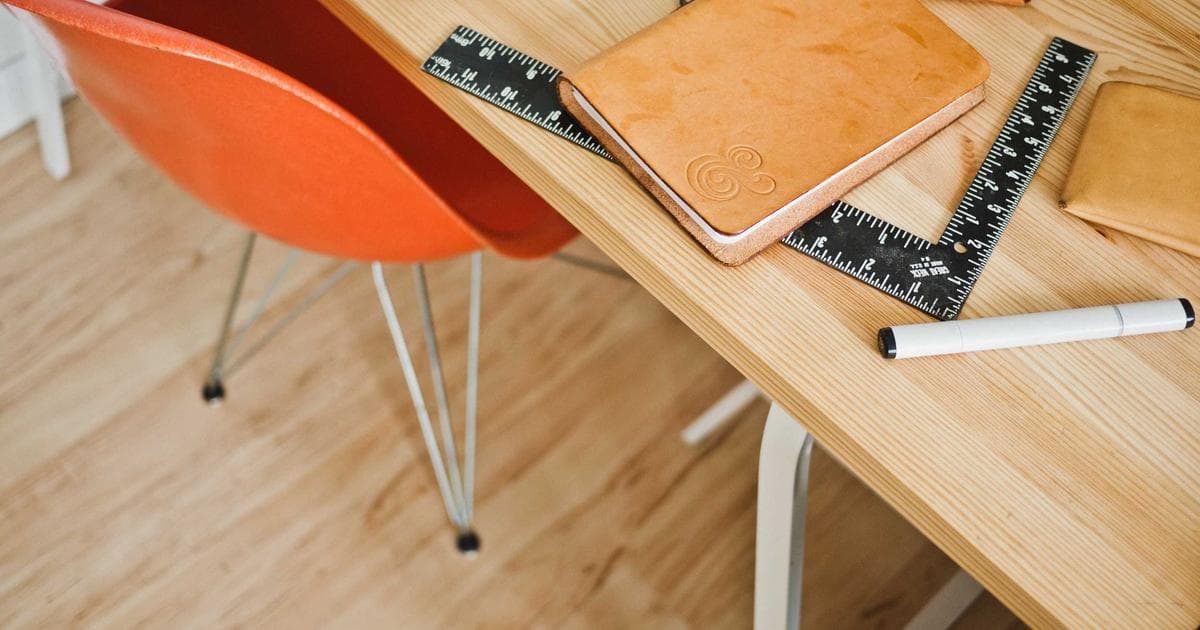
You don't need a dedicated room. A consistent, distraction-free corner can make a real difference in focus and productivity.
Consistency Matters More Than Size
The same spot each day signals 'study time' to the brain. A corner of the dining table, a small desk in the bedroom, or a spot at the kitchen counter—anywhere works if it's consistent.
Light and Comfort
Good lighting reduces eye strain. A comfortable chair (but not so comfortable they fall asleep) helps. Keep supplies within reach so they're not constantly getting up.
Minimize Distractions
Phones in another room or in a drawer. Turn off notifications. If siblings are noisy, consider headphones (music-free or low-fi) or scheduling study during quieter times.
Involve Your Child
Let them help organize the space. A plant, a picture, or a favorite mug can make it feel like their spot. Ownership increases the chance they'll use it.
Frequently Asked Questions
Do I need a dedicated room for a home study space?
No. A consistent corner—dining table, small desk, or kitchen counter—works. Consistency matters more than size; the same spot signals 'study time' to the brain.
How can I minimize distractions during study?
Phones in another room or drawer, notifications off. If siblings are noisy, use headphones (music-free or low-fi) or schedule study during quieter times.
What makes a study space effective?
Good lighting, a comfortable but not too comfortable chair, supplies within reach, and involvement from your child in organizing it. Ownership increases the chance they'll use it.
Should my child help set up their study space?
Yes. Let them help organize. A plant, picture, or favorite mug can make it feel like their spot. Ownership increases engagement.
Support Learning at Home
GuruForU's online tutoring works from any quiet corner. Book a free session to try it.
Book a Free Session